

Look, I’ve seen this shit before. Every few years, some "disruptor" comes along claiming they’re going to take down the big mouse in Orlando. Usually, it’s a bunch of guys in silicon valley with a fancy slide deck and zero substance. But here’s the thing: most of those "disruptors" don't spend ten years in a legal knife fight over trademarks.
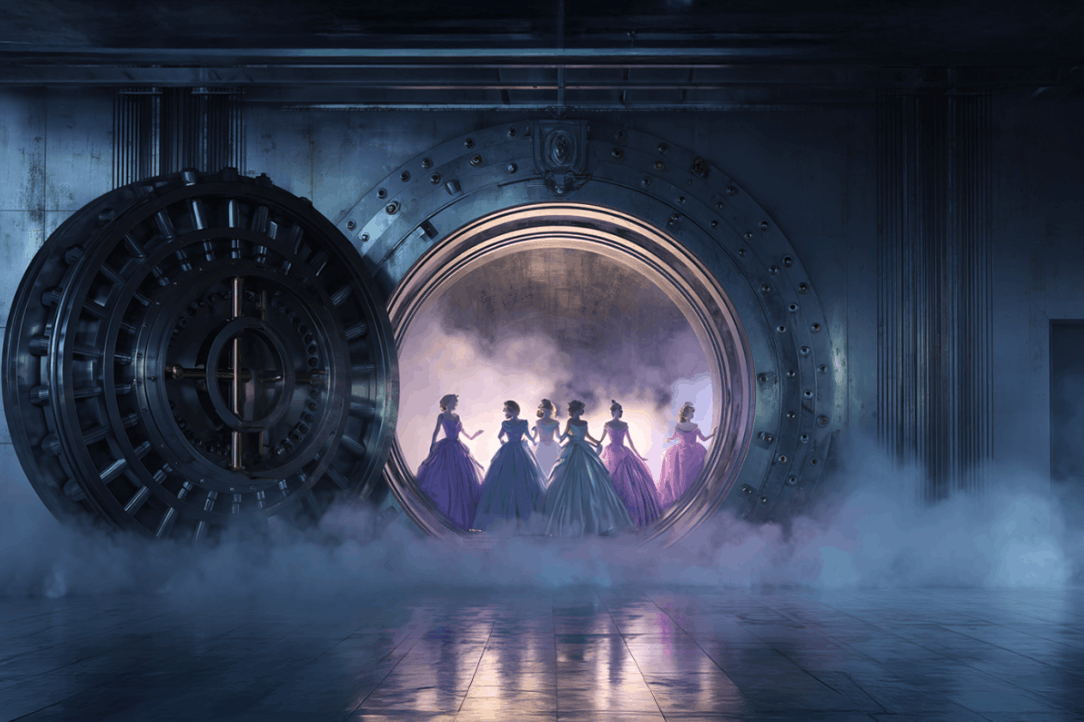
Elf Labs did. They didn't just wake up and decide to compete with Disney; they spent a decade securing the rights to the "Junior Elf" catalog - we’re talking 500+ assets including heavy hitters like Cinderella, Snow White, and Peter Pan. According to the news from World Screen and The Offer Sheet, this wasn’t some lucky break. It was a calculated acquisition of IP that dates back to the early 1900s.
Why should you care? Because in a world where the Fed is devaluing your paycheck every time you blink, hard assets are the only thing that keep you from drowning. And IP is the ultimate hard asset. It doesn’t rot, it doesn’t need a new roof, and if you own the trademark to Snow White, people have to pay you to use it. Period. Elf Labs won over 100 trademark victories to get here. That’s not "hype." That’s a moat.

The $70 Million Reality Check

Let’s apply the "Beer Test" to this. Imagine you’re at a bar and some guy offers to buy your truck for $70,000. You’d think the truck is worth something, right? Now imagine two different guys offer you that same price, but you haven't even put a "For Sale" sign in the window yet.
That’s exactly what happened with Elf Labs. Reports from Swipe Daily confirm they received two separate offers of over $70 million just for their IP portfolio alone. Not the tech, not the staff - just the rights to the characters. When people are throwing that kind of cash around for the "raw materials" of a company, it tells you the market knows there’s blood in the water.
The company has seen a 1,600% valuation growth over the last two years. While your neighbors are probably bragging about some meme coin that’s about to rug-pull them, Elf Labs has been quietly building a foundation of globally recognized characters. They’ve already raised $2.3 million from over 1,000 investors who realized that owning a piece of Peter Pan is a hell of a lot smarter than betting on a digital dog picture.
Recurring Revenue vs. Corporate Bullshit

One of the biggest problems I have with "growth stocks" is that they’re all "potential" and no "paycheck." They promise you the world but can’t show you a single recurring dollar. Elf Labs just took that narrative and threw it out the window.
They recently inked a $3.5 million deal with CompaxDigital to launch "Elf Mobile." This isn’t some Mickey Mouse operation; it’s powered by T-Mobile’s 5G network. They’re taking characters like Cinderella and Pinocchio and putting them directly into a mobile subscription service for families.
Business Wire reports this deal adds recurring subscription revenue to the mix. In plain English: it’s the "Netflix model" but for your phone service, wrapped in characters your kids already know. This isn't just about selling a doll at a gift shop; it's about building a digital railroad where they own the tracks and the trains. When a company starts talking about T-Mobile partnerships and $3.5 million development deals, the "startup" label starts to feel a bit too small.
The Tech Trap: Why This Isn't Just Another AI Bubble

I hate the word "immersive." Usually, when a CEO says "immersive tech," it means they bought a VR headset and have no idea how to make money with it. But look at what’s actually happening here. Elf Labs isn't just chasing the AI dragon; they’re using it to breathe life into assets they already own.
They’ve greenlit three projects, including an animated series called RoboStars. To make sure it doesn’t suck, they hired Kiplin '777MIDAS' Evans - a Grammy-winning producer - to handle the score. They’re combining their 500+ trademarks with patented 3D tech from Cosmic Wire.
Here’s the reality check: Tech without content is a paperweight. Content without tech is a dusty book. Elf Labs is smashing them together. According to PR Newswire, they’ve already secured 7 licensing partnerships and launched 20 product lines across 30 markets. They aren't waiting for the "future" to happen; they’re generating a billion media impressions right now. They’re using the tech to scale the IP, not the other way around. That’s how you avoid being another casualty of the AI hype cycle.

The Road to the Nasdaq: No More Playing Small
If you’ve been around the block, you know that the "exit" is all that matters. You can have the best company in the world, but if you can’t sell your shares, you’re just holding a very expensive piece of paper.
Elf Labs is already signaling their endgame. They’ve reserved the Nasdaq ticker $ELFS. That’s a bold move for a company still in its growth phase, but it matches the scale of what they’re doing. They’ve filed the necessary paperwork with the SEC (Regulation CF), which gives us a level of transparency you usually don't get with these kinds of deals.
The SEC filing outlines the minimum raise requirements and the structure of the $2.25/share offer. This isn't some "trust me, bro" deal discussed in a telegram chat. This is a company moving toward a public listing while they’re still scaling their franchises. They’ve got the IP, they’ve got the mobile network, and now they’re positioning themselves for the big board.
The Bottom Line
Look, I’m not here to blow smoke up your ass. Investing always has risks, and the market is a cruel mistress. But you have to look at the facts. You have a company that owns the rights to some of the most famous characters in human history. They’ve spent ten years in court proving those rights are theirs. They’ve turned down $70 million offers because they think the company is worth more. And they’re currently building a mobile network to monetize those characters every single month.
The "little guy" usually gets the leftovers after the institutional ghouls have picked the carcass clean. But right now, there’s a window. The $2.25/share price and the bonus shares are a limited-time setup while they finish this round of funding.
If you’re tired of the jargon and the manipulated news cycles, this is a clear-cut case of asset ownership. You’re buying into a portfolio of IP that has generated tens of billions in historical revenue. It’s common sense. It’s a hard asset. And it’s a way to actually own a piece of the entertainment machine instead of just paying for the subscription.
If you're done with hype and want straight talk on markets, politics, AI, and tech - subscribe to Trade Talks Live.
