

I’ve been around the block enough times to know when the Wall Street hype machine is redlining. Right now, it’s screaming. You’ve seen the headlines. Elon Musk finally stopped teasing and confirmed the SpaceX IPO for later this year. The number being tossed around is $1.5 trillion. Let that sink in. That’s not just a "big" valuation; that’s "more than almost every company on the planet" territory.
According to the latest intel from HeyGoTrade and Binance Square, Musk is looking to raise something like $30 billion in this float. They’re calling it the "big market event of 2026," and for once, the talking heads might not be exaggerating the scale. But here’s the reality check: Just because a company is huge doesn't mean the "little guy" is invited to the party on favorable terms.
Look, here’s the thing… a $1.5 trillion valuation at the IPO stage means a hell of a lot of the future growth is already baked into the price. When a company goes public at that size, it’s usually the venture capitalists and the early-stage insiders who are cashing out their chips. They want you - the guy with the 401(k) and the brokerage account - to provide the liquidity so they can buy their third island.
The narrative being sold is that SpaceX is no longer just a rocket company. It’s an "orbital AI infrastructure" play. Between Starlink’s massive revenue growth and the plans for space-based data centers, they’re trying to convince you this is a "new paradigm." I’ve heard that "new paradigm" bullshit before. It usually ends with a lot of retail investors holding a very expensive bag. Is SpaceX a world-changing company? Absolutely. I love the rockets. But as an investment, we need to look at the plumbing, not just the shiny paint job.

Tesla’s $20 Billion AI Bill: Who’s Actually Picking Up the Tab?
While everyone is staring at the SpaceX shiny object, something smells a bit off over at Tesla. If you check the Morningstar and Nasdaq reports, Tesla is planning to dump more than $20 billion into capital expenditures this year. They’re calling it the "AI Supercycle." They’re building "TeraFab" chips, buying thousands of H100s, and trying to make robotaxis a thing that actually works.

Here is the "Beer Test" for Tesla’s current situation: Imagine your buddy has a decent car business. It makes money. But then he decides he wants to build a fleet of self-driving tractors, a humanoid robot that can do his laundry, and a supercomputer in his basement. He tells you he needs $20 billion to do it. You’d ask him where the hell that money is coming from, right?
Tesla has about $44 billion in liquidity, which sounds like a lot until you realize they’re burning through it like a blowtorch. MarketWatch is already warning that Tesla could slide back into "cash-burn mode." If the car sales don't keep up - and let’s be honest, the EV market hasn't exactly been a cakewalk lately - they’re going to have to go back to the well. That means more debt or, more likely, diluting the hell out of the current shareholders to fund Elon’s "costly AI vision."
It’s a classic Musk move: stack one speculative venture on top of another. He’s using the cash from the car business to fund the AI business (xAI) and the robotics business, all while keeping the SpaceX IPO as the ultimate "get out of jail free" card. It’s brilliant if it works, but for an engineer or a small business owner trying to preserve capital, it’s a high-wire act with no net. The system is designed to reward this kind of risk-taking, but it’s your money on the line, not the Fed’s.
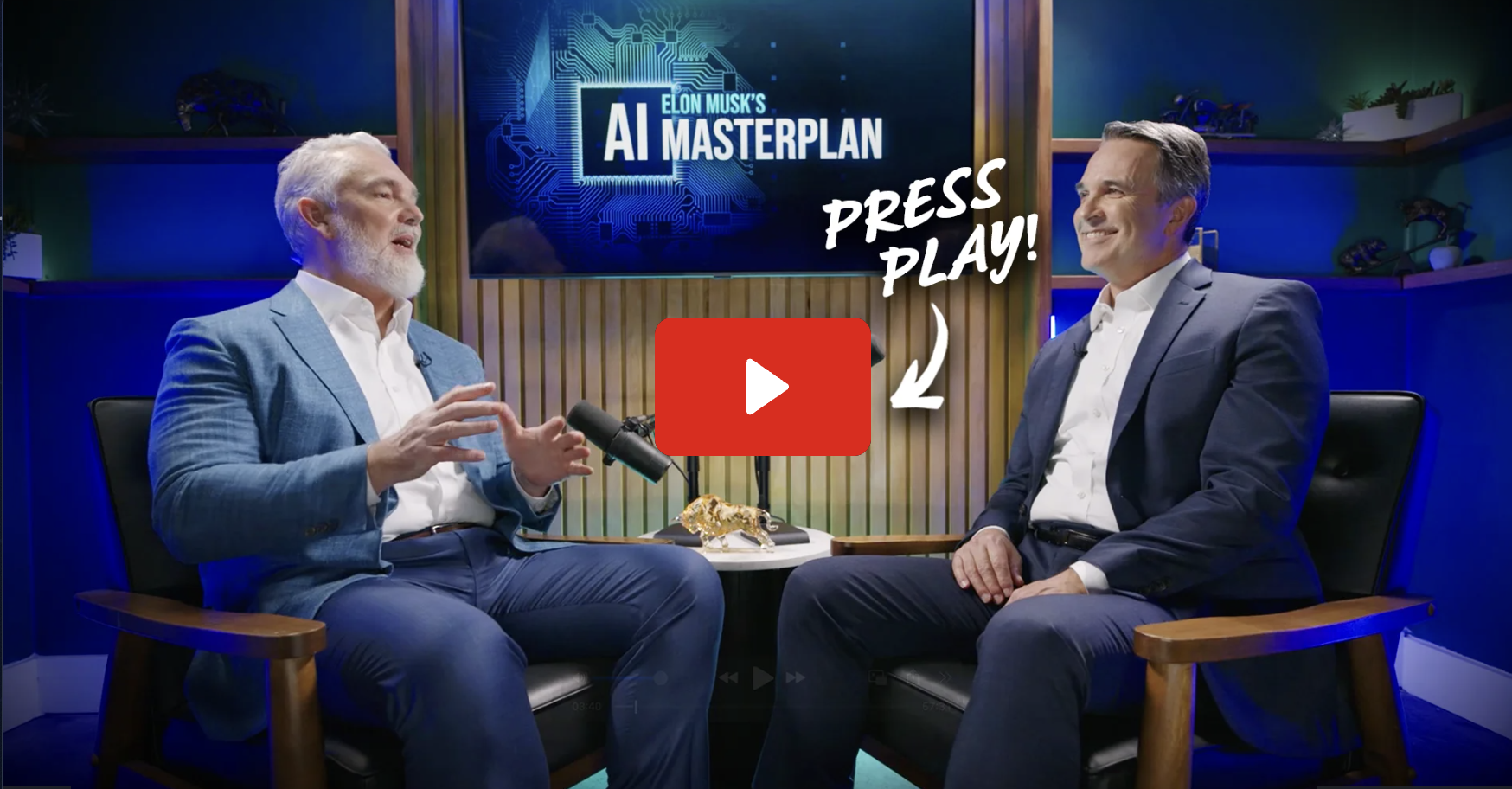
Orbital Data Centers: The Ultimate "New Paradigm" Narrative

Now, let’s talk about this "Orbital AI" stuff because that’s where the hype is getting really thick. The word from FNEX and Seeking Alpha is that SpaceX isn't just launching satellites for internet anymore. They’re building data centers in orbit. The idea is that xAI - Musk’s AI company - will use these "orbital nodes" to run Grok 5, which supposedly has 70 trillion parameters.
It sounds like a sci-fi novel, doesn't it? And that’s exactly why it’s dangerous for your wallet. When Wall Street starts talking about "space-based compute" and "AI integration across the Musk ecosystem," they’re trying to distract you from the basic math. Building a data center on the ground is expensive and hard. Building one in a vacuum, where cooling is a nightmare and you can’t exactly send a technician up to swap out a fried motherboard, is exponentially harder.
The Binance Square reports suggest this move is what will propel Musk to become the world’s first trillionaire. That’s great for him. But for us, we have to ask: Is this actually a viable business model, or is it just a way to justify a $1.5 trillion valuation for an IPO?
Look, here’s the thing… Starlink is a real business. It’s printing money because people in the middle of nowhere need internet. That’s common sense. But "orbital AI data centers" is a speculative bet on top of a speculative bet. If you’re a mid-level manager with ten years until retirement, you don't need to be betting your house on whether or not a satellite can run a chatbot better than a server farm in Ohio.

The "Priority Access" Bribe and the Political Playbook
There’s another wrinkle in this 2026 SpaceX IPO that you need to pay attention to. CNBC and HeyGoTrade are reporting that Musk plans to give Tesla shareholders "priority access" to the SpaceX IPO. On the surface, it sounds like a "thank you" to the loyal fans who have stuck by him.
But I’ve seen this shit before.
In my view, this is a calculated move to keep people from selling their Tesla stock. Tesla is under immense pressure because of that $20 billion AI spend and the cooling EV market. If people start dumping Tesla, the whole house of cards gets shaky. By dangling the SpaceX IPO - the "best investment opportunity of the decade" - in front of Tesla holders, he’s basically locking them in. It’s a brilliant piece of financial engineering, but it’s not exactly a "free gift." It’s a way to tie the fortunes of a struggling car company to a red-hot rocket company.
And don't ignore the politics. FNEX and other sources are pointing out that Jared Isaacman, a huge SpaceX ally, is being nominated for the NASA administrator role. This strengthens the ties between Musk’s empire and the government. While the reports say SpaceX’s reliance on NASA revenue is dropping (now under 5%), having your friends in high places never hurts when you’re trying to navigate a $1.5 trillion public offering.
It’s the ultimate "insider" game. The system is rigged to favor those who can bridge the gap between private enterprise and government policy. If you’re sitting at home trying to figure out if you should buy the hype, just remember that the rules are different for the people at the top of the pyramid. They get the priority access; you get the volatility.
How to Play the 2026 Chaos
If you’re the kind of guy I usually talk to - someone who worked hard for their money and wants to keep it - you need to be incredibly careful here. The Musk ecosystem is a force of nature, but it’s also a masterclass in stacking risk. When everything is going up, it’s easy to feel like a genius. But when the wind shifts - and it always does - the people who bought into the "1,000x" hype are the ones who get wiped out first.
Look at what the smart money does when the world gets this crazy. They pivot to hard assets. They look for the things that have intrinsic value when the AI bubbles pop and the "new paradigms" turn out to be old-fashioned debt traps. Whether it’s land, silver, or those top-tier gold miners that actually know how to manage a balance sheet, you want something you can touch.
The 2026 market is going to be a wild ride. Elon Musk is going to dominate every news cycle, and the "gushers of cash" will definitely flow for the guys on Wall Street. But for you? Your job isn't to be a hero. Your job is to protect what you’ve built. Cut through the noise, ignore the jargon, and remember: if it sounds too good to be true, it’s probably a Musk press release.
If you're done with hype and want straight talk on markets, politics, AI, and tech - subscribe to Trade Talks Live.
